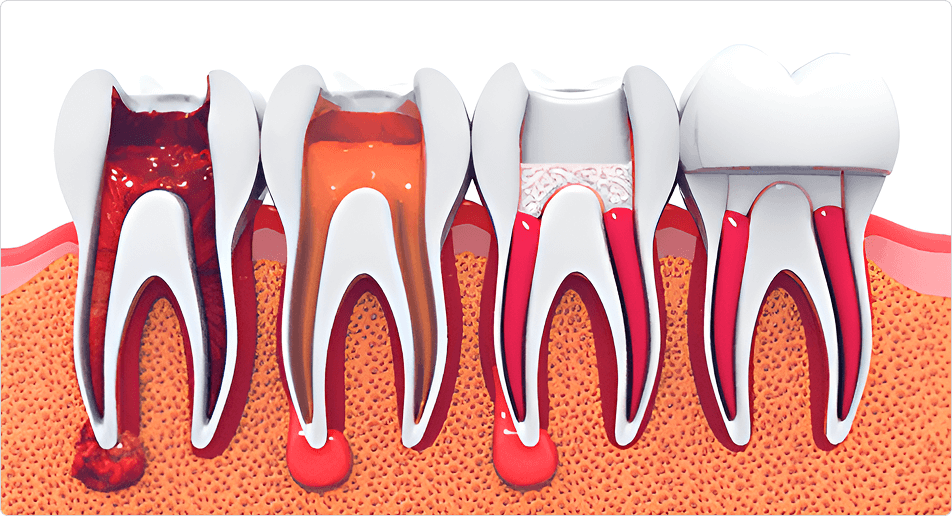
Inside each tooth is a hollow space called the root canal, which contains blood vessels, nerve tissue, and pulp. Every tooth has at least one root, and some have more than one. When bacteria enter this space due to decay or injury, the tissue can become inflamed or infected, leading to pain, swelling, and sometimes abscess formation. If the infection is left untreated, it can spread to surrounding teeth, bone, and other areas of the mouth.
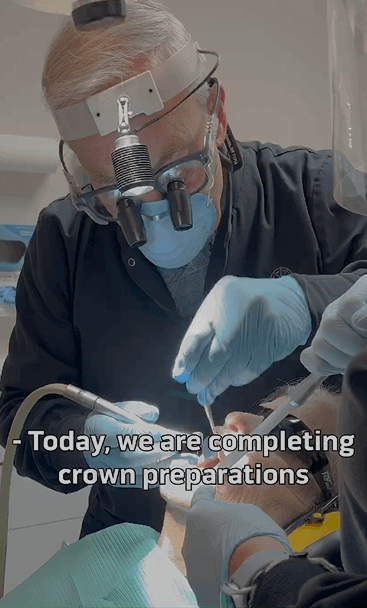
Root canal treatment is designed to stop this infection and preserve the natural tooth. During a root canal, the infected tissue is carefully removed, and the space is thoroughly cleaned and sealed with a dental crown to prevent further issues.
When Root Canal Therapy is the right solution
Root canal treatments are essential for saving teeth that would otherwise need to be extracted due to severe decay, infection, or trauma. Beyond immediate relief, root canals preserve the natural structure and function of the tooth, allowing you to chew, speak, and smile confidently. Root canals also help maintain jawbone integrity and overall oral health, making them a critical treatment for long-term dental wellness.
Only a dental professional can determine if a root canal is needed, based on the condition of the tooth and the severity of the infection.
Symptoms That Shouldn’t Be Ignored
When left untreated, a compromised root canal can cause intense pain. Some common signs that you may have nerve or pulp damage or an infection in a tooth include the following:
✔️ Severe and persistent pain
✔️ Tender or swollen gums
✔️ Discomfort when chewing or biting
✔️ Tooth discoloration
✔️ Lasting sensitivity to hot or cold food and beverages
✔️ Sores on your gums
Keep in mind that these symptoms can sometimes signal other dental issues, so it’s important to schedule an appointment with your dentist if you experience any of them.
Our Root Canal Therapy Process
Our Virginia Beach Dentists offer a range of root canal treatment options to meet different dental needs and ensure patient comfort. The root canal process is designed to be safe, precise, and comfortable. We begin with a comprehensive dental exam and digital X-rays to assess the extent of infection and determine the best treatment plan for your tooth.
1 – Comprehensive Examination
2 – Accessing the Pulp
3 – Filling and Sealing Anesthesia Administration
4 – Cleaning and Shaping Restoration
Our dental team will evaluate your condition and recommend the most suitable option, ensuring effective treatment, minimal discomfort, and long-lasting results.
Sedation Dentistry for Root Canals
While local anesthetics make root canal treatment comfortable, sedation dentistry is also available for those who need extra support. Sedation can help you feel calm and relaxed throughout the procedure, allowing you to receive the care you need with greater ease and peace of mind. Whether you prefer mild oral sedation or deeper methods, our Virginia Beach sedation dentistry team will review your needs and medical history to select the safest and most effective approach.
Benefits of Root Canals
By addressing these issues early, root canal therapy relieves pain, prevents infection from spreading, and preserves the natural tooth, helping maintain long-term oral health and functionality.
✔️ Maintains Jawbone Health
✔️ Prevents Infection Spread To Other Teeth or Bloodstream
✔️ Saves Your Natural Tooth from Extraction
✔️ Relatively Short Recovery Period
By addressing these issues early, root canal therapy relieves pain, prevents infection from spreading, and preserves the function of your teeth.
Root Canals - Virginia Beach, VA
Book your appointment today and take the first step toward a healthier smile. Our team is here to provide personalized dental care in a comfortable setting.
What happens if I wait too long to have a root canal?
Delaying a root canal can allow an infection to worsen, causing more pain, swelling, and potential damage to surrounding teeth and bone. In severe cases, the tooth may become unsalvageable, leaving extraction as the only option. Acting early helps protect your tooth and keeps treatment simpler and more comfortable.
Why would I need a root canal?
Root canal therapy is recommended when a tooth has severe decay, deep infection, cracks, trauma, or repeated dental work that compromises its internal structure. Symptoms that may indicate the need for a root canal include persistent tooth pain, sensitivity to hot or cold, swelling, discoloration, or a recurring pimple on the gums. Treating the tooth early prevents the infection from spreading to surrounding teeth, gums, or jawbone.
Is a root canal painful?
Most patients feel little to no pain during a root canal because the area is fully numbed. You may experience some mild soreness or sensitivity afterward, but it’s typically manageable and should last only a few days. Modern techniques make the procedure far less uncomfortable than many people expect.
How long does a root canal take?
Most issues can be resolved with a single root canal appointment, though more complex cases may require multiple visits. We strive to provide timely care without compromising your comfort.
Are there any downsides to a root canal?
Root canals are generally safe and less invasive than dental implants, but you may experience some swelling or discomfort afterward. In rare cases, if a tooth infection is severe, the tooth may not be salvageable, and extraction with an implant might be necessary.
How can I avoid the need for a root canal in the future?
Maintaining good oral hygiene is the key to preventing tooth infections that could lead to a root canal. Be diligent about your at-home care, visit your dentist for routine checkups and cleanings, and address cavities or other dental issues early. A healthy diet and avoiding excessive sugary foods can also help protect your teeth.
Your Healthier Smile Awaits
Experience personalized dental care designed to keep your smile healthy, confident, and bright.