Dental bridges are a reliable and long-lasting solution for replacing one or more missing teeth. They consist of artificial teeth, called pontics, anchored to adjacent natural teeth or dental implants, effectively filling the gap left by tooth loss. By restoring the structure of your smile, bridges prevent surrounding teeth from shifting, maintain proper bite alignment, and support the natural shape of your face. Beyond functionality, a well-designed bridge will help you speak, chew, and smile with confidence. Custom-made for each patient, dental bridges are carefully crafted to blend seamlessly with your natural teeth.
When Dental Bridges are Recommended
Dental bridges are essential for restoring both the function and appearance of your smile after tooth loss. Missing teeth can affect chewing, speaking, and the alignment of surrounding teeth, leading to additional oral health problems over time. A dental bridge fills these gaps, preventing neighboring teeth from shifting and maintaining proper bite alignment. Beyond functionality, bridges help preserve the natural shape of your face and enhance your smile’s aesthetics. They provide a durable, long-lasting solution that supports oral health, improves confidence, and allows you to eat, speak, and smile comfortably.
Dental Bridge Solutions
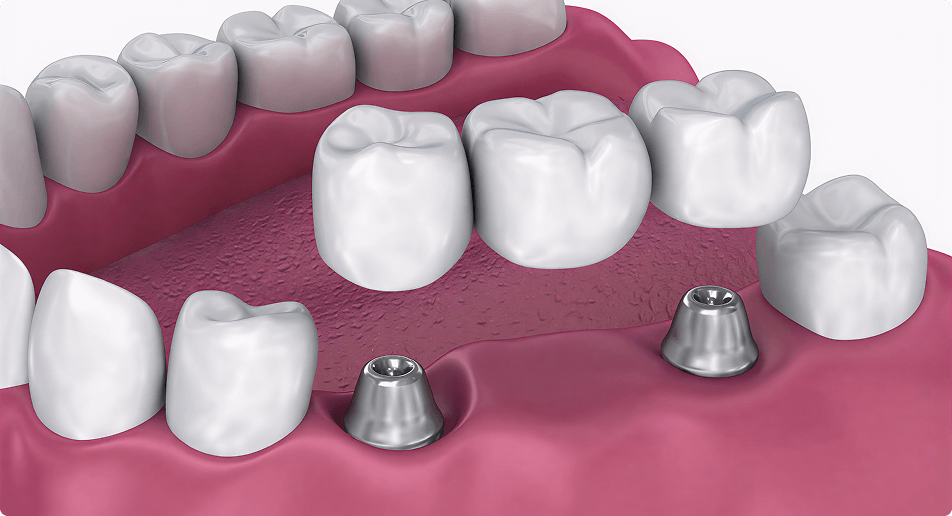
A dental bridge is a fixed device that replaces one or more missing teeth by spanning the gap between adjacent teeth. Dental bridges serve several purposes:
Restore the appearance of missing teeth
Provide oral stability (compared to removable dentures)
Renew your ability to chew and speak comfortably
Help maintain the shape and structure of your face
Support the bone that holds natural teeth
Prevent surrounding teeth from shifting
Types of Dental Bridges
Dental bridges are designed in several forms to accommodate specific treatment goals. Whether you are considering crowns, implants, or other restorative options, we will recommend the solution that best meets your needs.
Traditional bridges: Use crowns on the teeth adjacent to the gap to support one or more artificial teeth in between.
Cantilever bridges: Supported by a crown on only one side of the missing tooth, ideal when there’s only one adjacent tooth.
Maryland bridges: Use metal or porcelain framework bonded to the back of adjacent teeth, often used for front teeth.
Implant-supported bridges: Anchored on dental implants rather than natural teeth, providing long-lasting support.
With proper care, dental bridges are a long-lasting, cost-effective solution to achieve your dental goals.
The Dental Bridge Process
We follow a carefully designed process to ensure your dental bridge is comfortable, functional, and natural-looking.
1. Consultation, Assessment, and Plannin
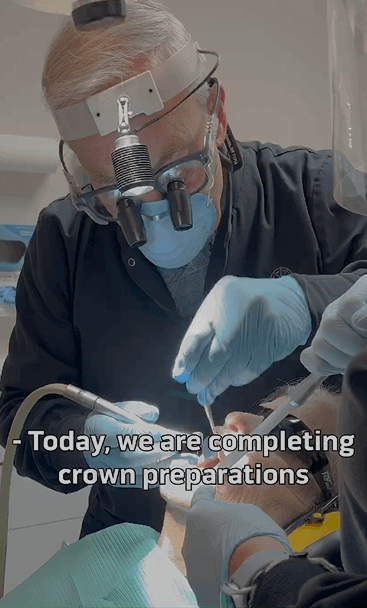
2. Bridge Selection and Supporting-Tooth Preparation
3. Impressions and Custom Bridge Design
4. Temporary and Final Bridge Placement
Dental bridges offer a smooth transition to a restored smile with lasting results.
Sedation Dentistry for Dental Bridges
To help patients feel relaxed and at ease during their visit, sedation dentistry is available for a wide range of procedures, including dental bridge treatment, Depending on your comfort level and the complexity of the procedure, options may include mild oral sedation, nitrous oxide, or deeper forms of sedation. Our Virginia Beach sedation dentistry team will review your medical history and treatment needs to recommend the most appropriate option, allowing dental care to be completed comfortably and without unnecessary stress.
Dental Bridges - Virginia Beach, VA
Book your appointment today and take the first step toward a healthier smile. Our team is here to provide personalized dental care in a comfortable setting.
Visit us during our regular office hours for comfortable, quality dental care.
Monday To Thursday
8am – 4:30pm
Friday – Sunday
CLOSED
Inside Mill Dam Dental
Discover how Dr. Jeffrey R. Leidy and his team provide individualized care.
Smile Gallery
A closer look at our team, our patients, and the care we provide every day.
Meet the Team Behind the Smiles.
From the front desk to the treatment chair, we approach every part of your visit with care. At Mill Dam Dental, you’ll always be treated like family.
Dr. Jeffrey R. Leidy, DMD
D.M.D., M.A.G.D., D.ABDSM, F.A.C.D.
Lauren
Office Manager, Clinical Assistant
Christina
Dental Assistant
Janis, RDH
Dental Hygienist
Judee
Administrative/Clinical Assistant
Cheryl
Dental Hygienist
Chelsea
Dental Assistant
Jennifer
Administrative Assistant
FAQs – Dental Bridges
It’s normal to want to understand as much as possible about a treatment before moving forward. When you know what to expect, you can feel confident that it’s the right choice for you.
Dental bridges may not be recommended for patients with advanced gum disease, significant bone loss, or weakened teeth that cannot properly support the bridge. They may also be unsuitable if maintaining proper cleaning under the bridge would be difficult. In these cases, alternative treatments may provide a more reliable long-term solution.
What is a dental bridge?
A dental bridge is a fixed dental restoration used to replace one or more missing teeth by anchoring artificial teeth (pontics) to adjacent natural teeth or dental implants. The bridge fills the gap, restoring both the appearance and functionality of your smile. Unlike removable dentures, bridges are permanent, allowing you to chew, speak, and smile confidently while maintaining proper bite alignment and preventing surrounding teeth from shifting. Yes, dental implants generally cost more upfront than dental bridges due to the complexity of the procedure. However, because bridges last between five and fifteen years, having multiple replacements can make implants a more cost-effective option in the long run.
Do dental bridges feel natural?
Yes, dental bridges are designed to look and feel like natural teeth, allowing you to eat, speak, and smile comfortably.
Is getting a dental bridge painful?
The procedure itself is generally painless. We use local anesthesia to numb the area, so you won’t feel discomfort during tooth preparation or impression-taking. Once the bridge is placed, it is designed to fit seamlessly with your natural teeth. You may experience mild sensitivity or tenderness for a few days as your mouth adjusts, but this is normal and should subside quickly.
How do I care for my dental bridge?
While the crowns themselves cannot decay, the supporting teeth and surrounding gums still require regular care. Staying diligent with your at-home routine and keeping regular dental visits is key to your bridge’s longevity. It is also important that you eat a balanced diet, drink plenty of water, and avoiding tobacco use.
Are there any drawbacks to getting a dental bridge?
Bone loss presents one of the primary concerns when considering fixed bridges. They do not extend below the gum line, so they cannot stimulate the bone underneath. Dental bridges can also weaken the supporting teeth used as anchors, which can lead to gum recession over time. It is important that they are carefully cleaned on a regular basis. With proper care, however, bridges remain a durable and functional solution.
Your Healthier Smile Awaits
Experience personalized dental care designed to keep your smile healthy, confident, and bright.